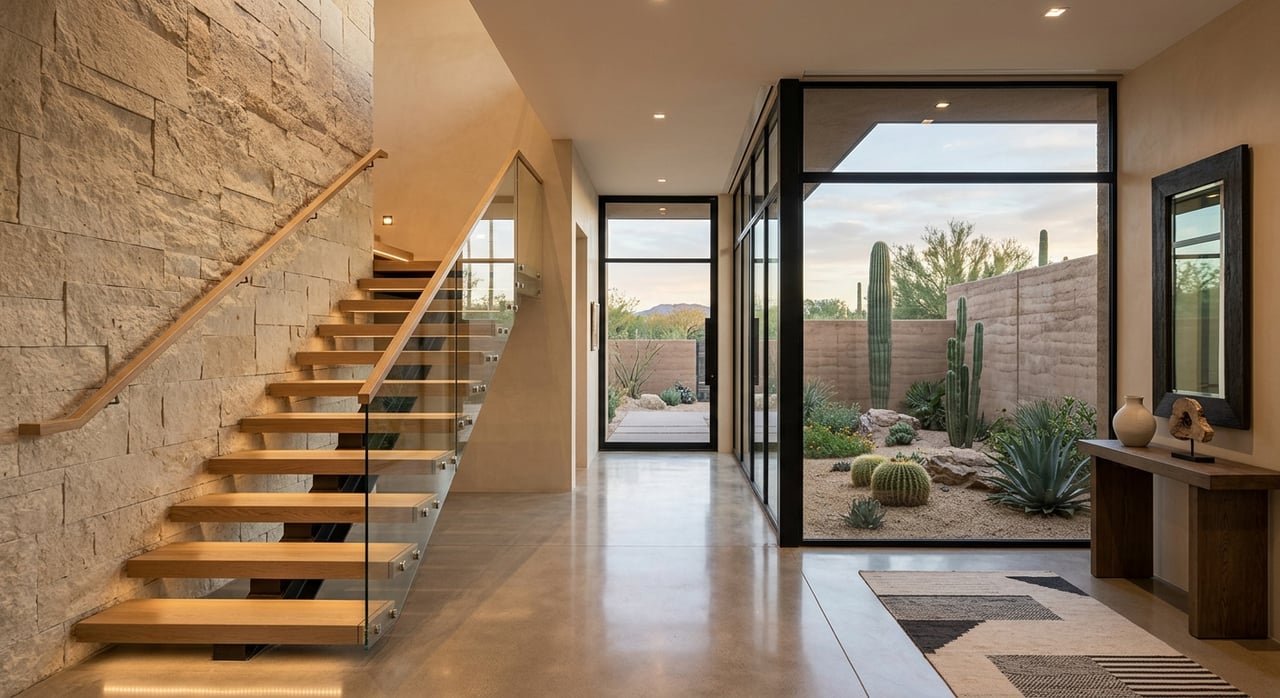
Thinking about a move to Phoenix but not sure which version of the city fits your life best? That is a common challenge, because Phoenix is not one single lifestyle market. If you are relocating, the right choice often comes down to how you want to spend your weekdays, weekends, and commute time. This guide will help you compare the area’s main lifestyle options so you can narrow your search with more clarity. Let’s dive in.
Why Phoenix Lifestyle Fit Matters
Phoenix is organized into 15 urban villages, which is a helpful reminder that your experience can vary a lot depending on where you land. One area may feel urban and active, while another feels private, low-density, and resort-adjacent.
Your daily routine matters here. The City of Phoenix reports a mean travel time to work of 25.6 minutes, and 62.5% of commuters travel less than 30 minutes each way. At the state level, most workers still commute by car, truck, or van, which makes location strategy especially important when you are choosing where to live.
Start With Your Daily Pattern
Before you compare home styles or price points, start with how you will actually move through the city. If your weekly routine centers on downtown Phoenix, central Phoenix, Tempe, or south Phoenix, a more central location often makes the most practical sense.
Phoenix does have transit-supportive living in the core. Valley Metro Rail runs through downtown Phoenix and south Phoenix via the South Central Extension and Downtown Hub, so buyers who want stronger transit access will usually focus there first.
Ask Yourself These First Questions
- Where will most of your weekly trips start and end?
- Do you want a more urban setting or a quieter residential feel?
- How much home and lot maintenance are you comfortable with?
- Is dining access more important to you than trail access?
- Do you want a lock-and-leave option, a single-family home, or a larger estate setting?
Downtown and Central Phoenix
If you want the most urban version of Phoenix, start with downtown and central neighborhoods. This part of the market is a strong fit for buyers who value central access, shorter trips, and a more active street scene than many surrounding areas.
Roosevelt Row stands out as the city’s walkable arts district, known for galleries, restaurants, bars, boutique shops, and street art. The city also notes that Roosevelt Row and Grand Avenue are becoming a dining destination, which adds to the appeal if you want more activity close to home.
From a budget standpoint, downtown and central Phoenix are also among the more accessible options covered here. Current figures place Central City around a $446,000 median listing price and Downtown Phoenix around $552,052.
Best Fit for Downtown and Central Phoenix
You may prefer this area if you want:
- A more urban daily rhythm
- Stronger access to the city core
- Transit-supportive living options
- Dining and arts nearby
- A lower price point than Scottsdale, Arcadia, or Paradise Valley
Arcadia and Camelback East
Arcadia offers a very different feel from downtown. It is often the choice for buyers who want an established central location, more lot character, and a stronger single-family home setting while still staying close to key east-side activity corridors.
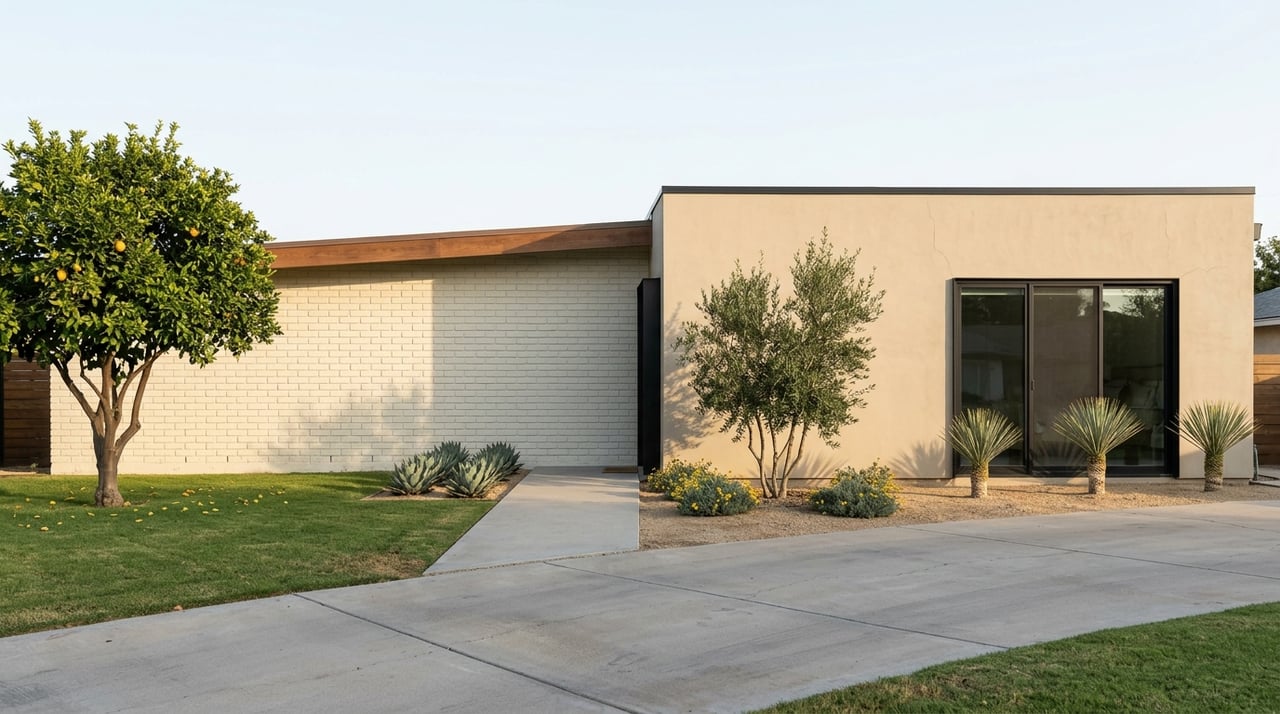
This area is known for historic charm, leafy streets, and many mid-century ranch homes. Camelback East also offers housing diversity and access to notable outdoor destinations such as Piestewa Peak, the Phoenix Mountains, and the Desert Botanical Garden.
Arcadia also works well for buyers who want to build an active routine into everyday life. You have convenient access to the Arizona Canal Trail and nearby Papago Park, which helps explain why east-central Phoenix continues to draw buyers who want outdoor access without a long drive.
Price is the tradeoff. Arcadia sits well above the citywide median, with current data showing about a $1.8 million median listing price and roughly a $1.3 million median sale price in the latest three-month window. Arcadia Lite is lower, but still premium, at around a $950,000 median listing price.
Best Fit for Arcadia
You may prefer Arcadia or Arcadia Lite if you want:
- An established neighborhood feel
- More single-family home character
- Better access to both dining and outdoor recreation
- A central-east location
- A premium market with strong lifestyle appeal
Scottsdale and Old Town
If dining, shopping, entertainment, and a polished lifestyle scene are high on your list, Scottsdale often rises quickly to the top. Old Town Scottsdale is especially compelling if you want concentration and convenience in one compact area.
Old Town is described as the beating heart of Scottsdale, with nine walkable and bikeable districts, more than 100 restaurants, nightlife, art museums, and more than 30 galleries. For many relocators, that density is the main draw, especially if you want a lifestyle that feels lively without giving up refinement.
Scottsdale also brings a broader range of luxury and lifestyle-oriented housing options beyond Old Town itself. Current market data place Scottsdale around $858,307 in typical home value, with a median sale price of $899,250 and a median list price of $999,667.
Outdoor access is another part of the equation. The McDowell Sonoran Preserve offers hiking, mountain biking, wildlife, and quieter desert surroundings, which gives Scottsdale a strong balance between activity and recreation.
Best Fit for Scottsdale
You may prefer Scottsdale if you want:
- High dining and retail density
- A strong entertainment and arts scene
- A polished lifestyle environment
- Access to desert recreation
- Luxury options with broad appeal for primary or second-home buyers
Paradise Valley
Paradise Valley is a clear choice when privacy and space come first. Its planning vision centers on natural beauty, dark skies, tranquility, open space, mountain views, and primarily acre residential lots.
This is not the market to choose if you want daily retail density just outside your door. It is the market to choose if you want low-density living, more separation between homes, and a setting that feels residential and resort-adjacent.
Housing here is primarily owner-occupied single-family homes on at least an acre, with limited commercial uses. That creates a very different experience from downtown, Arcadia, or Old Town Scottsdale.
Paradise Valley is also the most expensive market in this group. Current figures show about a $3.50 million typical home value, a $3.68 million median sale price, and a $4.58 million median list price.
Best Fit for Paradise Valley
You may prefer Paradise Valley if you want:
- Privacy and low-density living
- Larger lots and more separation
- Mountain views and open space
- A quieter day-to-day setting
- A top-tier luxury market
Compare Lifestyle and Budget
A quick side-by-side view can make the tradeoffs easier to see.
| Area | Lifestyle feel | Current pricing signal |
|---|---|---|
| Downtown/Central Phoenix | Urban, active, central | About $446,000 to $552,052 median listing price |
| Arcadia/Arcadia Lite | Established, central, single-family oriented | About $950,000 to $1.845M median listing price |
| Scottsdale | Dining, shopping, entertainment, luxury | About $858,307 typical home value, $999,667 median list price |
| Paradise Valley | Private, low-density, estate-oriented | About $3.50M typical home value, $4.58M median list price |
Separate Outdoor Access From Dining Access
One of the easiest mistakes when relocating to Phoenix is assuming every great lifestyle area offers the same balance of recreation and dining. In reality, those two routines often point you in different directions.
South Mountain Park and Preserve covers more than 16,000 acres, while Papago Park is home to the Phoenix Zoo and Desert Botanical Garden. The Phoenix Mountains Preserve also offers central access to hiking, biking, and views. That means outdoor priorities can strongly shape your location strategy.
Arcadia, Scottsdale, and Paradise Valley all solve the outdoor-plus-dining equation differently. Arcadia gives you central access with nearby trails and dining. Scottsdale gives you strong dining concentration with preserve access. Paradise Valley leans more heavily toward privacy, views, and a quieter residential rhythm.
A Smart Way to Narrow Your Search
When you are relocating, clarity usually comes from comparing a few strong fits rather than trying to study every area at once. A focused process tends to lead to better decisions.
Use This Phoenix Relocation Framework
- Anchor your commute first. Think about where most weekly trips will happen.
- Choose your daily rhythm. Decide whether you want urban, established-central, lifestyle-driven, or estate-oriented living.
- Match the home type to your routine. Consider whether you want a condo, townhome, single-family home, or larger estate setting.
- Compare outdoor and dining habits separately. They do not always lead to the same neighborhood.
- Tour your top three areas at different times. Traffic, parking, and real-world activity levels often change your perspective.
How to Think About Long-Term Value
A relocation move is about more than liking a neighborhood on paper. It is also about choosing a location that supports your lifestyle now and still makes sense a few years from today.
That is why many buyers look beyond square footage and finishes. They also weigh commute practicality, maintenance expectations, access patterns, and how often they will truly use the amenities around them. In Phoenix, those details can matter just as much as price point.
If you are weighing Scottsdale, Paradise Valley, Arcadia, or central Phoenix, a strategic comparison can save time and help you move with more confidence. The goal is not just to find a home. It is to choose the version of Phoenix that fits the way you want to live.
If you are planning a move and want a more tailored read on Phoenix, Scottsdale, Arcadia, or Paradise Valley, Residence Collective can help you compare lifestyle fit, pricing, and long-term value with a more strategic lens.
FAQs
What is the best Phoenix area for an urban lifestyle?
- Downtown and Central Phoenix are usually the best fit if you want a more urban setting with central access, arts, dining, and transit-supportive living.
What is the difference between Arcadia and Scottsdale for relocation buyers?
- Arcadia generally offers a more established single-family feel with central-east access, while Scottsdale is often chosen for its stronger dining, shopping, and entertainment concentration.
What makes Paradise Valley different from other Phoenix-area markets?
- Paradise Valley is defined by low-density residential living, primarily acre lots, mountain views, privacy, and a quieter day-to-day environment.
Is Phoenix a car-dependent city for most relocators?
- Yes. Statewide commuting data show most workers travel by car, truck, or van, even though transit-supportive living is stronger in downtown and south Phoenix.
How should you choose where to live when relocating to Phoenix?
- Start with your commute, then compare your preferred daily rhythm, home type, maintenance tolerance, outdoor habits, and dining priorities before touring your top areas in person.